
Community Paramedicine: Promising, Not A Panacea
Considerations for Designing Community Paramedicine Programs for Sustained Impact
By Kyu Kang, Associate Director
The demand for solutions addressing rural healthcare challenges is at an all-time high. Increasing concern about access to care coupled with anticipation of federal Rural Health Transformation Program (RHTP) dollars means everyone is looking for turnkey, sustainable solutions to retain and expand care capacity.
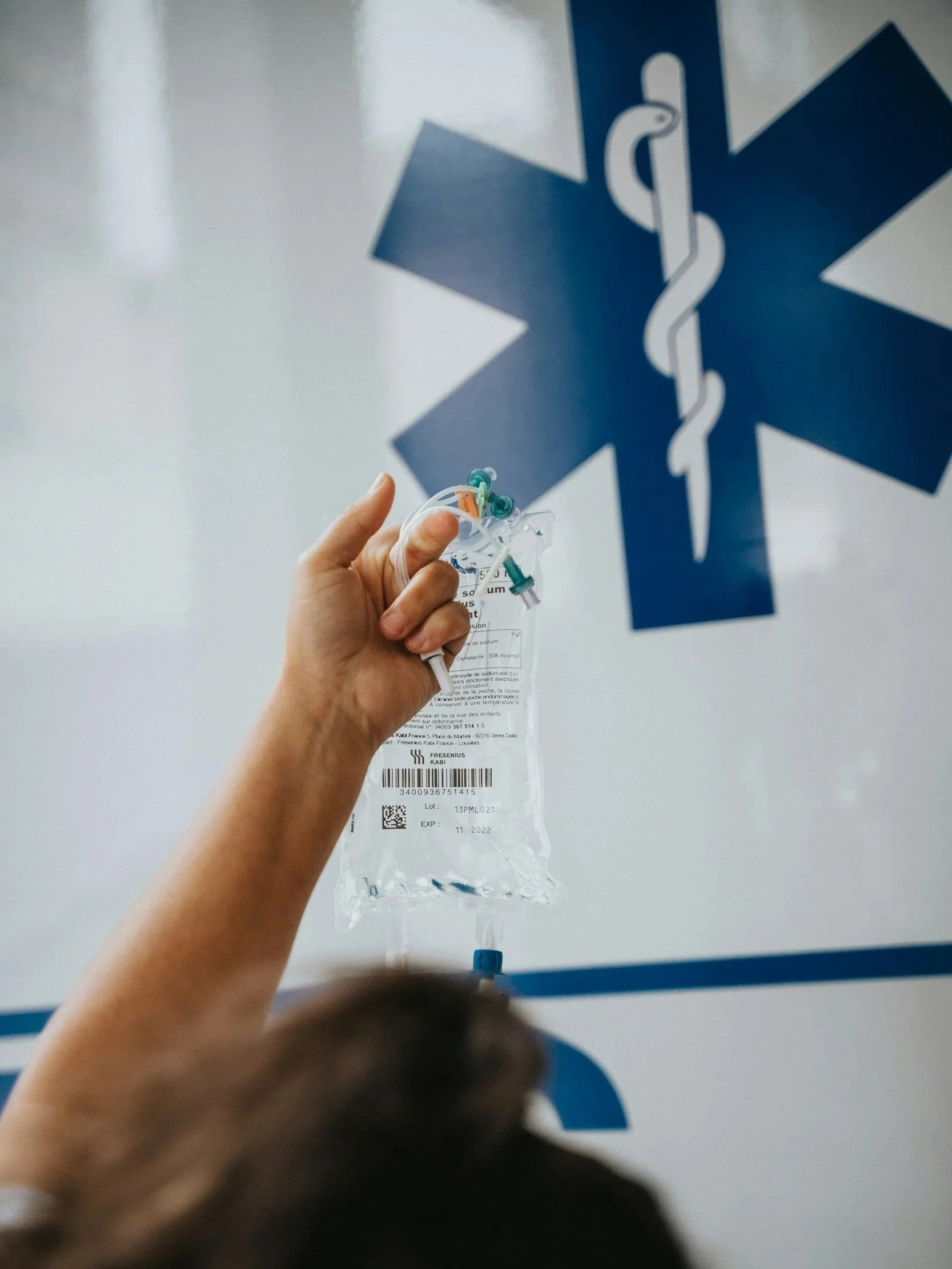
In this environment, community paramedicine is justifiably gaining traction and generating interest from states, funders, and institutions hearing of the model’s powerful potential. At least 20 states will be looking to implement or support community paramedicine as part of their RHTP strategy. But as with many high-impact healthcare solutions, the true impact and effectiveness of this model depends on community conditions, execution with fidelity, and attention to desired outcomes – all factors that funders and states may overlook when faced with quick timelines and pressure to demonstrate results.
Before exploring how community paramedicine can be effectively deployed across the United States to maximize impact, let’s first clarify what we mean by community paramedicine.
Community Paramedicine: What Fits Under the Umbrella
Note: Community paramedicine is closely related to mobile integrated healthcare and the two terms are sometimes used interchangeably or referred to collectively as MIH-CP. For simplicity, we use the term community paramedicine to refer to both models.
Community paramedicine programs deploy emergency medical technicians (EMTs) and paramedics in expanded roles, outside of emergency response, to bring primary care, public health, and preventive care to residents. While there are many different program types, generally community paramedics provide health education and connect patients to primary care, behavioral health, and other community resources. They may also directly provide primary care services or post-hospital follow-up care.
Community paramedicine programs typically connect with patients through one of two pathways:
Scheduled home visits allow community paramedics to visit patients in their home at a predetermined time to provide care coordination, clinical care, or health education. Patients are usually referred to the program based on an identified need – e.g., post-discharge follow-up after an inpatient stay; harm reduction resources and linkage to behavioral health following a recent drug overdose.
Low-acuity 911 response allows 911 dispatchers to triage emergency calls and redirect non-urgent requests to a community paramedic. They may still dispatch to the patient’s house to respond in real-time, potentially with other providers such as a nurse practitioner or social worker. But the goal is to best meet caller needs without ambulance transport to the Emergency Department (ED). Patients may receive treatment on-scene or receive transportation to a lower-acuity facility (e.g., physician office, urgent care, health center).
Community paramedics are seen as trusted community health advocates with special emergency medical services (EMS) skills. They can also build upon an established EMS infrastructure and workforce to reach patients in underserved areas, making these models attractive to rural health initiatives.
The Value Proposition for EMS, Patients, and Healthcare Organizations
In addition to improving patient health outcomes, community paramedicine programs are most often designed to reduce avoidable ED visits and EMS call burden, improve access to care, and reduce acute care utilization and costs.
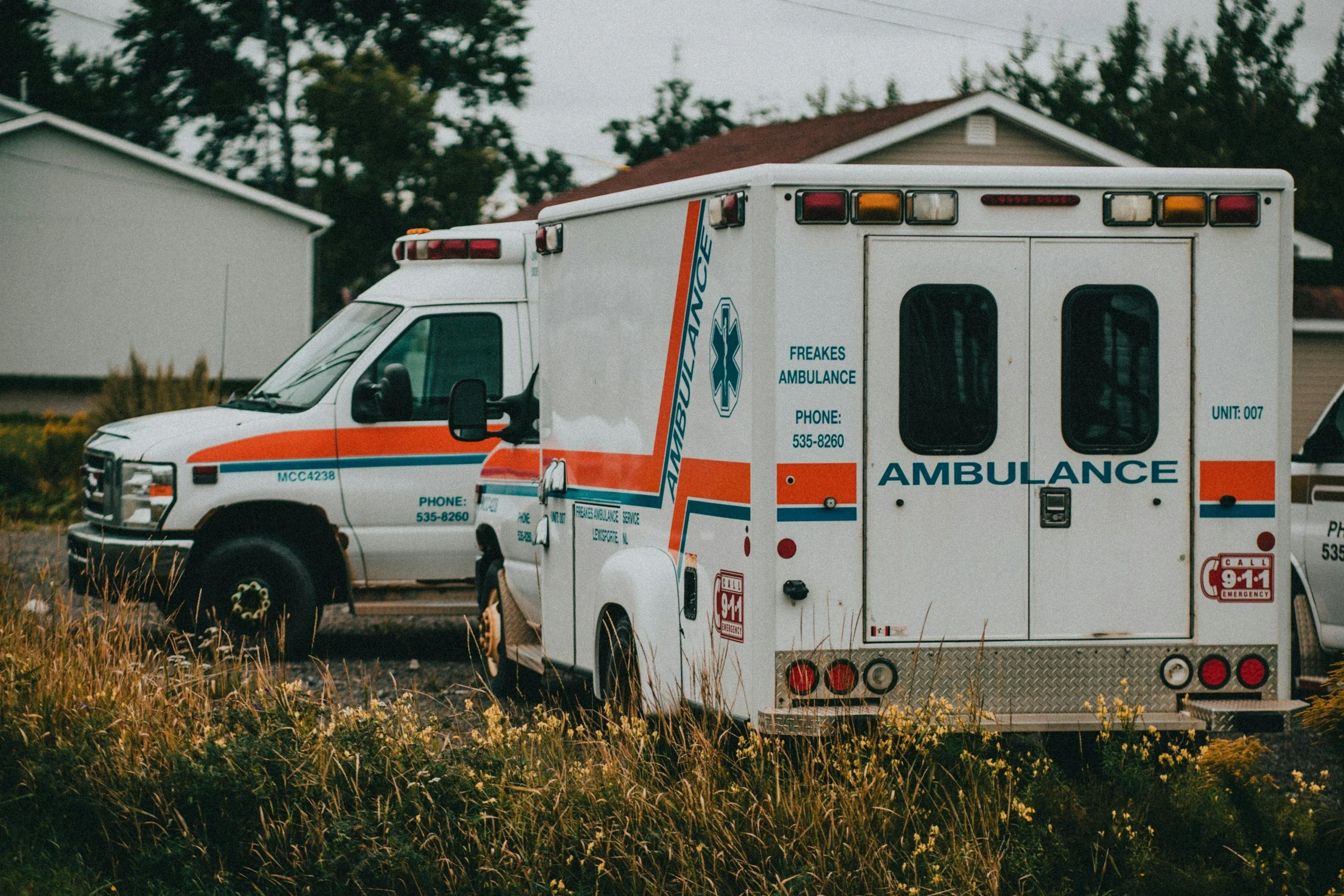
EMS and ED Utilization. Patients who lack access to primary care often use 911 and EMS for non-emergency healthcare needs. A significant number of 911 calls result in transport to the ED for needs that could have been managed in alternative, non-emergency settings. Frequent calls for non-urgent needs strain both EMS agencies and EDs that are under-resourced and at capacity. Community paramedicine programs can help reduce pressure by targeting frequent callers, helping address patients’ underlying needs, and subsequently reducing both 911 calls and transport to the ED. While these programs require more near-term work from EMS agencies to train, hire, dispatch, and manage community paramedics, redirecting patients who do not have emergency needs frees up capacity in the mid- and long-term for regular EMS personnel, ambulances, and the ED.
Access to Care and Resources. Community paramedicine programs improve patient access to primary care and preventive care, and facilitate connection to psychosocial supports. In programs where community paramedics act as physician-extenders, teams can administer vaccines, facilitate telehealth visits, monitor medication compliance, and perform minor medical procedures within their scope. Community paramedics can also identify patients’ health-related social needs and provide linkage to other community resources such as housing, nutrition, or transportation.
EMS and Healthcare Costs. Reducing avoidable EMS and acute care utilization can generate cost savings for local governments, hospitals, health plans, and patients. One community paramedicine intervention providing regular home visits to patients in the 30 days following a hospital stay resulted in 40% fewer total hospital admissions and more than $400,000 in avoided healthcare costs compared to a control group. Savings can be generated by avoiding:
911 calls and EMS dispatch
EMS transport to the ED
ED treatment
Excess inpatient hospitalization
Patient co-pays
An Ecosystem Level View of ROI
As states and funders evaluate where to direct limited resources, considering the potential return on investment (ROI) of a community paramedicine program is critically important and highly dependent on a few key factors:
Labor costs and staffing models depend on the number of community paramedics and other personnel on the care team, as well as the required training and certification (which differs by state). It is much less costly to make scheduled home visits than to have a response team available to respond to non-urgent 911 calls. Successful, cost-efficient programs can leverage existing EMS personnel as community paramedics and/or leverage intermittent EMS downtime rather than bring on additional staff.
Targeted outcomes differ in their ability to generate cost savings and measurable ROI. Generally, community paramedicine programs that reduce ED utilization and hospital readmissions yield the highest measurable cost savings. Community paramedicine programs focused on health education and care coordination absolutely generate value, but the savings are harder to quantify and the benefits more diffuse. On the flip side of cost avoidance is the potential for increased revenue with community paramedicine programs. Expanding patient access to care can increase utilization of doctor visits, health screenings, immunizations, and other medically necessary care - generating new revenue for non-emergent care providers. While this may drive up healthcare utilization costs in the short-term for payers, mid- and long-term healthcare cost savings are expected through avoidance of costly acute care for unmanaged conditions. Additionally, community paramedicine programs generate cost savings to EMS agencies and local governments that may not be accounted for when considering ROI only from a narrow healthcare perspective.
Populations of Focus differ in their level of benefit from community paramedicine interventions and their response to different community paramedicine services. Community paramedics are well-suited to serving individuals with some medical complexity, particularly for discrete, time-limited needs such as post-discharge follow-up, medication reconciliation or management, and wound care. For example, community paramedics can work quickly and effectively to target individuals with a recent opioid overdose and provide connection to treatment and/or coordinate with mobile crisis response to ensure patients with mental or behavioral health needs receive the care they need. Patients with significant medical complexity, however, can stretch community paramedics beyond their comfort or scope of practice. Multiple studies also suggest that while community paramedicine programs targeting frequent 911 callers and high ED utilizers effectively reduce utilization, these effects may decrease or disappear once the intervention ends. This is likely because many high-utilizers have significant and complex underlying behavioral, mental, or health-related social needs that require ongoing care beyond a short-term program.
Variation in these key factors can make or break the cost-effectiveness - and sustainability - of a program. If / as these factors are well-integrated, EMS agencies taking on the added responsibilities of community paramedicine programs should be fairly compensated for the larger multi-system value impacts of their work.
Sustainability by Design
Many community paramedicine programs use grant funding to start operations but - absent plans for earned revenue - are forced to suspend operations when resources dry up. With that in mind, and considering the different variables that impact ROI, it is key to ensure that program design prioritizes impact for patients and other community stakeholders with the capacity to support sustainability.
Earned revenue models, particularly those that explicitly tie a portion of funding to outcomes, can help programs move away from reliance on grant funding. Additionally, the potential to generate revenue will determine whether funders will be fully covering or merely subsidizing community paramedicine program costs.
The most common revenue models available to programs are:
Fee-for-service billing for community paramedicine services, though ability to bill for services is highly dependent on state and payer policies. Medicaid is the most common payer for community paramedicine services, and depending on the state, Medicaid plans may cover community paramedicine home visits, treatment without transport, transport to an alternative destination, or allow billing for individual services. In more than half of states, Medicaid covers treatment without transport (HCPCS Code A0998). In states where billing is not available, funders and programs should advocate to open existing codes or access established codes (such as for individual billable services) for community paramedicine services.
Per-member-per-month capitated payments or fixed-fee contracts with health plans or providers to provide specific community paramedicine services to a specific population. This can look like providing care management and home visits for high-needs members on behalf of a health plan, or contracting with home health agencies to fill gaps in care.
Risk-based shared savings arrangements based on the ability of community paramedicine programs to reduce healthcare utilization and lower total cost of care. Community paramedicine programs may contract with Accountable Care Organizations (ACOs), health plans, or health systems to serve a target population and receive a portion of the shared cost savings.
Being aware of the revenue sources available for different community paramedicine services is important; so too is identifying which stakeholders will benefit, and could therefore be engaged to provide financial support based on the outcomes they care about. These pieces also lay the foundation for working toward alternative payment models that allow community paramedicine programs to be reimbursed for the value they generate.
Promising, Not a Panacea
In addition to considering earned revenue model options, funders should assess potential structural barriers before investing in community paramedicine.
In rural counties, EMS agencies often lack sufficient funding, capacity, and personnel to manage their regular EMS work, making it infeasible to add on community paramedicine services. There are regions where one ambulance must cover multiple counties and travel long distances to all calls. Without increasing general EMS capacity, it is impractical to expect community paramedics to make home visits, provide transport to alternative destinations, or to send separate teams to respond to low-acuity calls.
Other local conditions are more policy related. As with coverage policies, states differ in their definition of what constitutes a “community paramedic,” and associated policies related to licensure and scope of practice. State policies create the parameters within which community paramedics operate, and those same policies may impact program labor costs, expected outcomes, and ROI.
Despite these challenges, the wide and growing range of successful community paramedicine programs is a testament to the model’s ability to adapt to various policy contexts and address local community needs.
As the program model continues to evolve and grow, QVHS looks forward to sharing additional insights. If you’re interested in pursuing an in-depth ROI analysis of a community paramedicine program in your region, please contact us.